
 🎄 Christmas
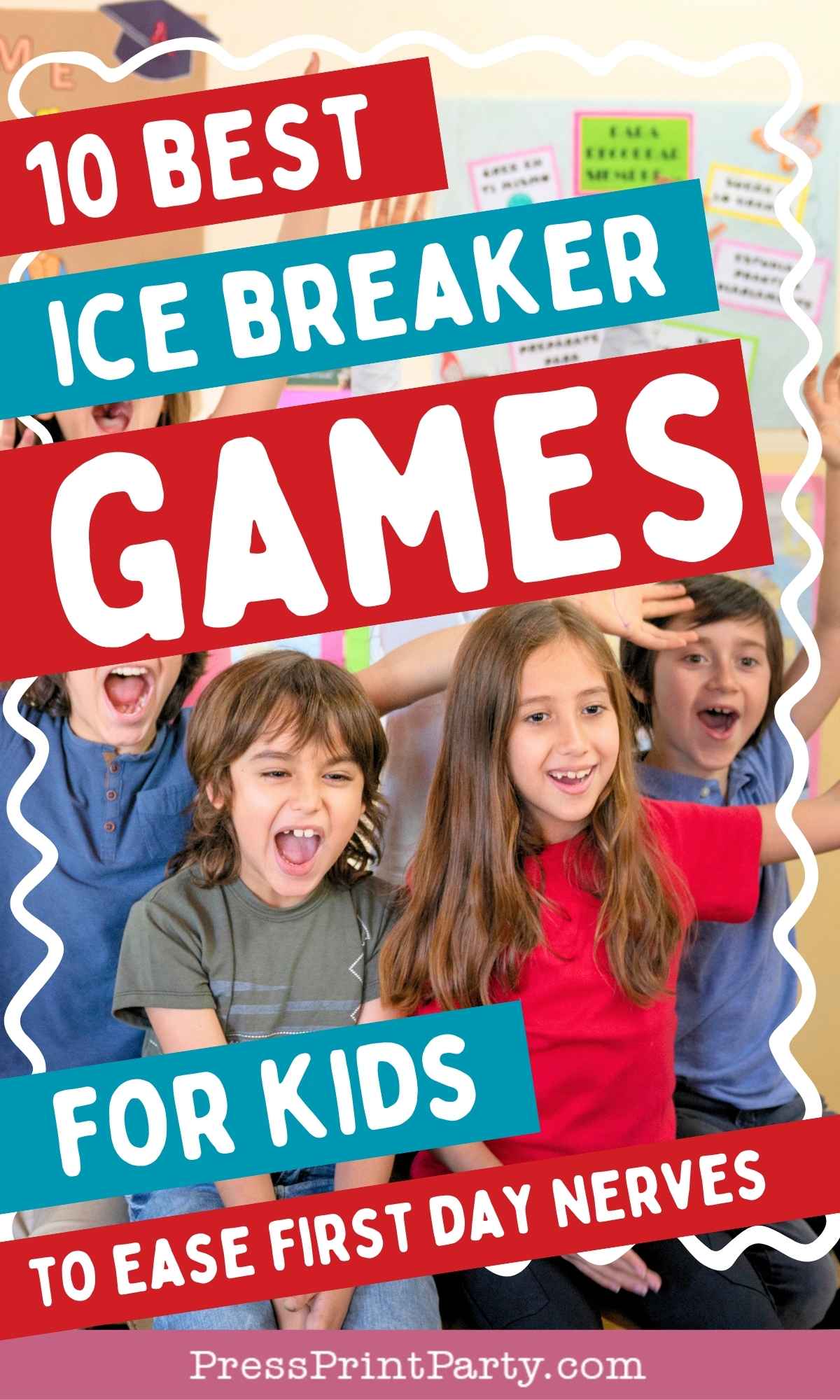
10 Best Ice Breaker Games for Kids to Ease First-Day Nerves
The first day of school can be a lot for kids. New classroom, new routines, and a room full of unfamiliar faces.
These ice breaker games for kids help take the edge off that fear and give students a safe, simple way to start connecting with the people around them.
Built for real classrooms and real kids, these games for breaking the ice are especially helpful for students who feel shy, nervous, or unsure about speaking up on day one.
This post contains affiliate links. I may earn a small commission at no extra cost to you. Thank you for supporting my blog!
They’ll also work in camp settings, where kids are adjusting to new counselors, new groups, and brand-new friendships.
Each activity focuses on helping students learn names, discover shared interests, and realize they’re not as alone as they might feel walking in that morning.
No forced performances, no awkward spotlights, just low-pressure ways to help kids talk, listen, and feel more comfortable together.
You’ll find low-prep options that work seated or in small groups, making them easy to use during the first week of school, at camp, or anytime your class needs a quick reset.
If you’re looking for more playful ways to build connection beyond the classroom, my party game ideas are a great next stop.
More Back to School Ideas ✏️
Because the first weeks of school deserve a little extra fun (and way less stress), these back-to-school ideas help you show up prepared without overthinking it.
🍎 Back-to-School Treats — Easy, kid-approved treats that make the first days feel special without going overboard.
🎁 Teacher Gifts — Thoughtful, simple gift ideas teachers can give students to kick off the year right.
📄 School Printables — Helpful printables to get organized, stay sane, and start strong.
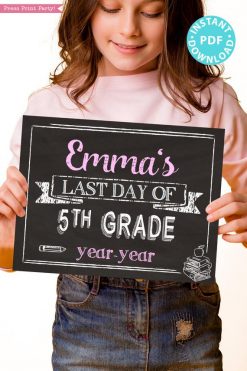
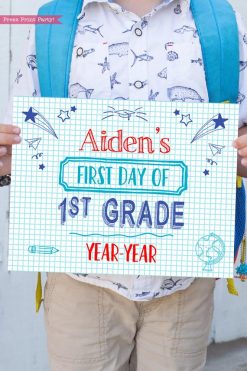
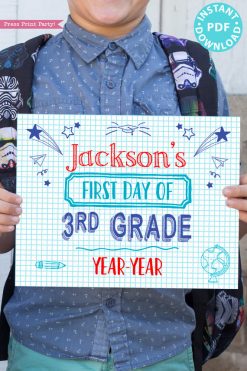
📸 First Day Signs — Fun sign ideas that make those first-day photos extra memorable.
10 Ice Breaker Games for Kids That Build Real Connections
The goal of these ice breaker games for kids is connection first, not performance. When students feel comfortable with each other, everything else—participation, teamwork, and learning—comes more naturally.
Keep a few of these in your back pocket, and you’ll always have an easy way to turn first-day nerves into familiar faces and a more connected group.
1. Find Someone Who…
Best for: Elementary through middle school
Time needed: 10–15 minutes
Materials: Printed worksheet or simple list on the board
How it works:
Students receive a list of prompts like “find someone who likes the same subject,” “find someone who has a pet,” or “find someone who enjoys reading.” They move around the room asking classmates questions and writing down names that match each prompt. Each student can only use a classmate’s name once to encourage more interaction.
Why teachers love it:
This ice breaker gets kids talking without putting anyone on the spot. Conversations stay short and purposeful, which helps shy students participate without pressure. It also encourages students to talk to classmates they might not normally interact with, making it especially effective during the first week of school or with a new group.
Teacher tip:
For younger students, do this as a whole-class activity with hands raised. For older students, set a timer and limit movement to keep things structured and manageable.
2. Rose, Bud, Thorn
Best for: Elementary through high school
Time needed: 5–10 minutes
Materials: None (optional paper for writing first)
How it works:
Students share three simple things: a rose (something good), a bud (something they’re looking forward to), and a thorn (something challenging). This can be done out loud in a circle, in small groups, or written down first for students who need extra processing time.
Why teachers love it:
This ice breaker helps students open up in a structured, predictable way. Because everyone shares the same three types of responses, it feels fair and low-pressure. It also builds empathy as students realize their classmates may be excited, nervous, or struggling with similar things.
Teacher tip:
Let students pass on the thorn if they’re not comfortable sharing something challenging yet. You can also limit responses to one sentence each to keep things moving and emotionally safe.

3. Candy Ice Breaker
Best for: Elementary through middle school
Time needed: 10–15 minutes
Materials: Small pieces of candy and a bowl
How it works:
Place a bowl of candy where students can see it and invite them to take 1–5 pieces without explaining why. Once everyone is seated, let students know that for each piece of candy they take, they’ll share one thing about themselves. After everyone has shared, students can enjoy their candy.
Why teachers love it:
This ice breaker adds a little excitement while keeping sharing short and manageable. The clear structure helps prevent oversharing, and even shy students only need to talk for a moment. It’s a simple way to learn names, interests, and fun facts without putting anyone on the spot.
Teacher tip:
Set a clear limit on how many pieces students can take before you start. If food isn’t allowed, swap candy for paper tokens or colored cards with the same sharing rules.
4. Common Ground
Best for: Upper elementary through high school
Time needed: 10–15 minutes
Materials: None (optional timer)
How it works:
Divide students into small groups and challenge each group to find a set number of things they all have in common. These can be simple, everyday connections like favorite foods, hobbies, pets, or school subjects. After time is up, groups share what they discovered with the class.
Why teachers love it:
This ice breaker helps students realize they have more in common with their classmates than they think. It encourages conversation, listening, and teamwork without requiring personal or uncomfortable sharing. It’s especially helpful for mixing social groups and helping students connect beyond their usual friends.
Teacher tip:
Set clear guidelines to keep answers appropriate. You can also limit categories (foods, activities, school-related topics) to help groups stay focused and avoid awkward topics.

5. Guess the Classmate
Best for: Elementary through middle school
Time needed: 10–15 minutes
Materials: Index cards and a bowl
How it works:
Each student writes one amazing fact about themselves on an index card. Collect the cards and mix them in a bowl. Read the facts aloud one at a time, and let the class guess which classmate the fact belongs to. Once the correct student is identified, they can share a little more if they’d like.
Prompt ideas to share with students:
- I have 10 siblings
- I’ve been to… another country or cool place
- I speak…. another language
- I play… a sport or an instrument
- My favorite food is… (not mac and cheese)
- I have a unique hobby or talent
Why teachers love it:
This ice breaker keeps the focus on listening and learning about classmates without turning it into a competition. The prompts help students choose appropriate, interesting facts and make it easier for everyone to participate.
Teacher tip:
If guessing feels stressful for your group, let the student who wrote the fact reveal themselves after a few guesses. You can also do this seated, with hands raised, to keep things calm and organized.
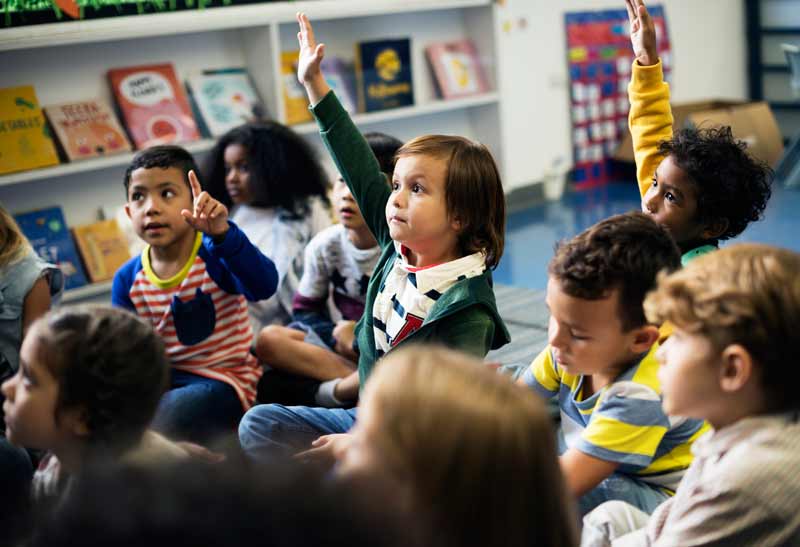
6. Snowball Fight (Facts Version)
Best for: Elementary through middle school
Time needed: 10–15 minutes
Materials: Paper and pencils
How it works:
Each student writes one fun fact about themselves on a piece of paper. Once everyone is done, students crumple their paper into a “snowball.” On the teacher’s signal, students gently toss the snowballs across the room for 20–30 seconds. When time is up, each student grabs the snowball closest to them, opens it, and reads the fact. The class then guesses who the fact belongs to.
Why teachers love it:
This ice breaker adds movement while still keeping the focus on connection. Because the sharing is anonymous at first, students feel more comfortable writing honest facts. It’s energetic without being chaotic and works especially well once students know each other a little.
Teacher tip:
Set clear rules before starting: gentle tosses only, no aiming at faces, and stop immediately when the timer ends. If space is limited, have students pass snowballs instead of throwing them.
7. Three Words
Best for: Elementary through high school
Time needed: 5–10 minutes
Materials: None
How it works:
Students work together to create a class story, adding three words at a time. One student starts the story, then the next student continues it with three new words, and so on until the story feels complete. The story can be silly, thoughtful, or themed around a shared prompt.
Prompt ideas to help students connect:
- Our class on the first day
- The best school day ever
- If our class were a team
Why teachers love it:
This ice breaker encourages collaboration without putting pressure on any one student. Because each student only contributes three words, participation feels manageable, even for reluctant speakers. It also helps students listen closely to one another and build something together.
Teacher tip:
Go in order around the room so students know when their turn is coming. If a student freezes, allow them to say fewer words or pass once to keep the activity stress-free.

8. The Gratitude Game
Best for: Elementary through high school
Time needed: 5–10 minutes
Materials: None (optional paper for writing first)
How it works:
Students sit or stand in a circle and take turns sharing one thing they’re grateful for and, if they’re comfortable, why. Responses can be big or small—from family and friends to favorite activities or moments at school. Students may pass if they need more time.
Why teachers love it:
This ice breaker sets a calm, positive tone and helps students learn what matters to their classmates. It’s especially helpful when a class needs a reset or a gentle way to reconnect after a break. Because there’s no right or wrong answer, participation feels safe and inclusive.
Teacher tip:
Model a simple example first and keep responses to one sentence to maintain focus. For younger students, you can offer prompts like “something at school,” “something at home,” or “something fun.”
9. Copy-Cat Warm Up (with One-Word Check-In)
Best for: Elementary through middle school
Time needed: 5–10 minutes
Materials: None
How it works:
Students form a circle. The teacher starts in the middle and models a simple movement or sound, such as stretching arms, clapping a rhythm, or making a gentle vocal sound. The rest of the class copies it. Before passing the role to another student, the leader shares one word that describes how they’re feeling (happy, nervous, excited, tired). The next student repeats the process with a new movement and their own one-word check-in.
Why teachers love it:
This activity combines light movement with emotional awareness in a low-pressure way. The one-word check-in gives students a chance to express how they’re feeling without needing to explain or share details. It’s especially helpful for nervous groups and works well as a quick reset.
Teacher tip:
Let students choose a movement only if they’re comfortable. If needed, keep the teacher or a small group of volunteers in the center to maintain structure and ease anxiety.

10. Matching Statues
Best for: Upper elementary through middle school
Time needed: 10–15 minutes
Materials: None (optional prompt cards)
How it works:
Divide students into small teams. On the teacher’s signal, call out a prompt such as “reading,” “playing a sport,” or “at recess.” Without talking, each student in the group freezes in a pose that represents the prompt. The goal is for as many students as possible to match each other’s poses. After each round, teams briefly look around to see what matched and what didn’t.
Why teachers love it:
This ice breaker helps students observe, collaborate, and think as a group without needing to speak. It naturally leads to quick conversations about how people interpreted the same idea differently, which helps students learn about each other’s perspectives in a fun, low-pressure way.
Teacher tip:
Keep prompts simple and school-appropriate. After freezing, ask one quick reflection question like, “What made your poses similar?” or “What did you notice about your teammates?”
Don’t forget to pin these ice breaker games for kids:
Picked for you:



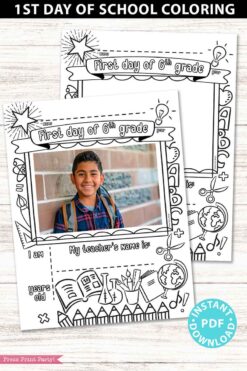
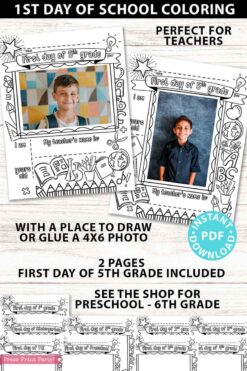
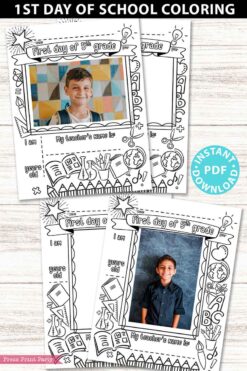
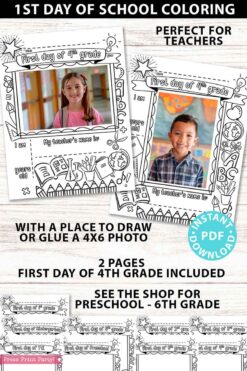
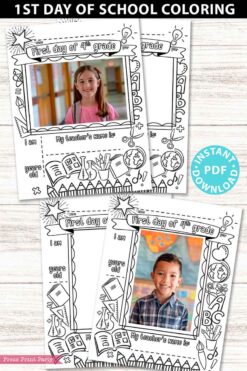
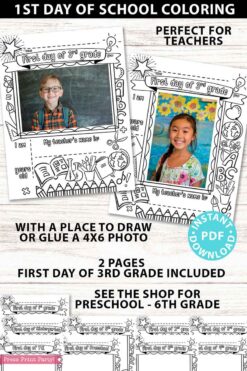
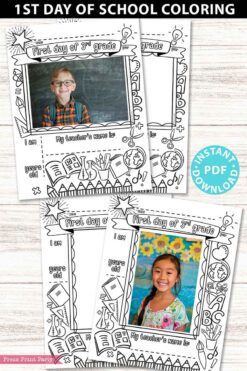
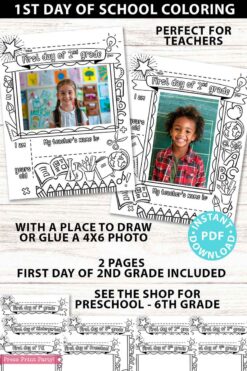
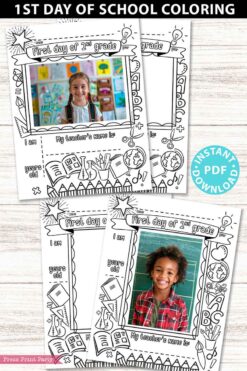
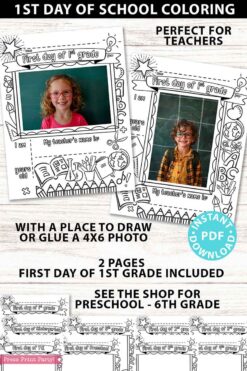
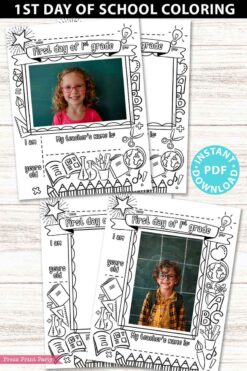
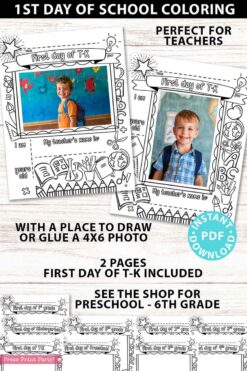
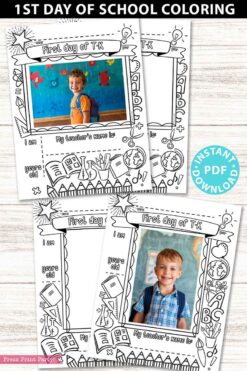
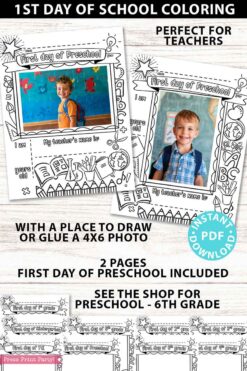
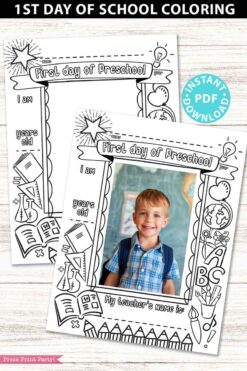
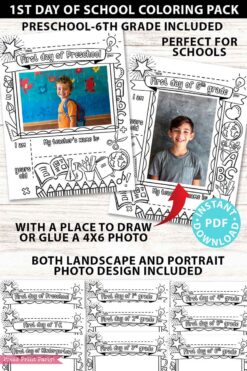
Check out our Back to School printables
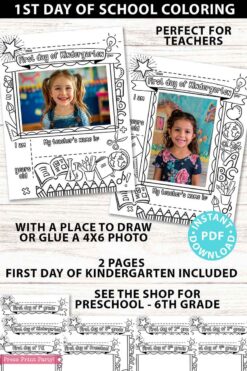




&url=https://www.pressprintparty.com/shop/back-to-school-gift-card-coffee-green/&media=https://www.pressprintparty.com/wp-content/uploads/2021/08/teacher-card-holders-green-cup-HOORAY1.jpg)


